
Second DUI Insurance Costs — Connecticut
Free to compare
What a Second OUI Conviction Does to Your Premium
You've been convicted of a second OUI in Connecticut. Your license is suspended for at least 45 days with no relief, your carrier just dropped you or will the moment they process the conviction, and you're staring at reinstatement requirements that include ignition interlock installation and three years of SR-22 monitoring. The question you're asking right now: how much is this going to cost, and when do you even start paying for coverage you can't legally use for six weeks?
Connecticut treats second OUI offenses as high-risk events requiring multiple overlapping state interventions. The DMV suspends your license administratively under CGS § 14-227b. The court orders ignition interlock under CGS § 14-37a. The state requires SR-22 financial responsibility filing for three years. Each piece costs money, and the insurance piece—SR-22-compliant liability coverage—is the largest recurring expense you'll carry through the entire reinstatement period and beyond.
“If your SR-22 policy lapses during the monitoring period, the entire three-year clock resets to day one.”

Get Back on Connecticut Roads With the Right SR-22
Get My Connecticut SR-22 Auto Insurance Quote$200–$350/mo
CT Second OUI Premium Range
Monthly premium for minimum liability plus SR-22 filing after a second OUI conviction in Connecticut. Rates vary by age, county, and carrier tier—non-standard carriers price this risk at the high end of the range; a few standard carriers who still write post-conviction policies price closer to $200/mo. Estimates based on available industry data; individual rates vary.
Connecticut carrier filings for high-risk auto insurance, 2024
Why You Pay During the Hard Suspension
Connecticut's second-offense OUI suspension begins with a mandatory 45-day hard period during which no driving is allowed under any circumstances. No work permit. No hardship relief. The ignition interlock license (CT's version of restricted driving) becomes available only after those 45 days are fully served. But the SR-22 filing and the policy backing it must be active before the DMV will process your reinstatement application.
This creates a counterintuitive expense window: you maintain full premium payments on a policy you cannot legally use. The SR-22 certificate proves to the state that you carry continuous liability coverage meeting Connecticut's $25,000/$50,000/$25,000 minimums. If the policy lapses at any point—including during the hard suspension—the carrier reports the cancellation to the DMV electronically, your reinstatement clock resets, and the three-year SR-22 monitoring period starts over from zero.
Most drivers misread this structure and defer coverage until they're eligible to drive again. The DMV reinstatement desk will not accept an application without proof of active SR-22 coverage already on file. You cannot reinstate first and insure second. The sequence is: obtain SR-22 coverage, file proof with DMV, serve the hard suspension while maintaining the policy, then apply for reinstatement with ignition interlock once the 45 days expire.

If your SR-22 policy lapses for any reason during the three-year monitoring period—even one missed payment—the entire filing period resets to day one.
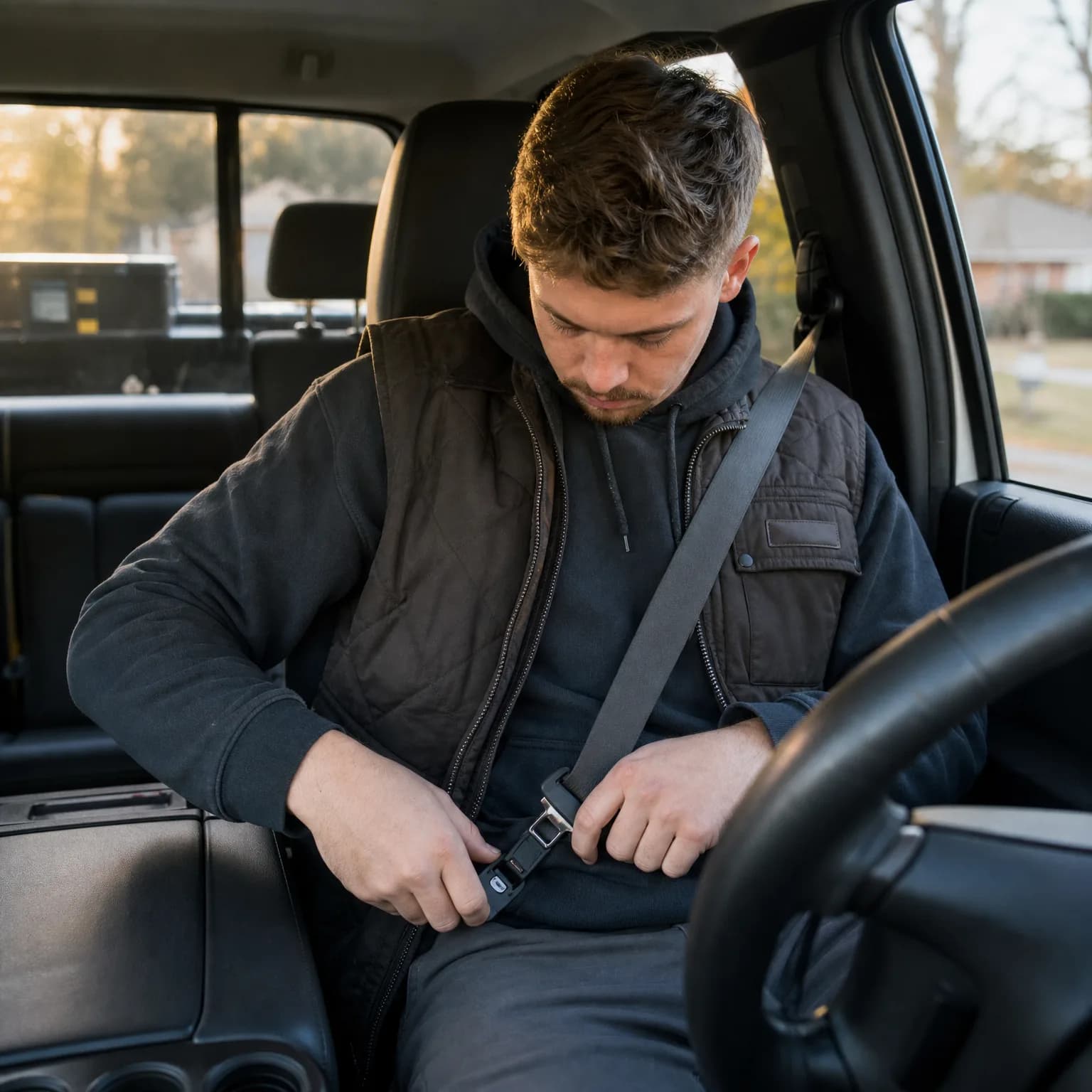






How Ignition Interlock Affects the Cost Calculation
Connecticut requires ignition interlock installation for all second-offense OUI convictions. You'll pay installation fees ($75–$150), monthly monitoring and calibration fees ($75–$100/mo), and removal fees ($50–$75) on top of your insurance premium. The interlock vendor reports compliance data to the DMV monthly. If you violate the interlock terms—failed breath test, missed calibration, tampering—the DMV can extend your monitoring period or revoke your interlock license entirely.
Insurance carriers do not discount premiums for interlock installation. Some drivers assume the device reduces their risk profile and should lower their rate. It does not. The interlock satisfies a reinstatement requirement; it does not erase the second conviction from your record. You'll carry both expenses in parallel: $200–$350/mo for SR-22 insurance and $75–$100/mo for the interlock device, plus the $175 DMV reinstatement fee when you're eligible to apply.
The three-year SR-22 monitoring period runs independently of the interlock installation period. If the court orders two years of interlock but the DMV requires three years of SR-22, you'll finish the interlock obligation first and continue paying the elevated insurance premium for another year. The SR-22 clock starts the day your policy activates, not the day you install the device or the day your hard suspension ends.
3 years
CT SR-22 Monitoring Period
Connecticut requires continuous SR-22 filing for three years following most DUI-related suspensions, including second OUI offenses. The period begins when your SR-22 policy activates, not when you regain driving privileges. Any lapse resets the clock to day one.
Connecticut DMV SR-22 filing requirements, CGS § 14-37a

Which Carriers Write Second-OUI Policies in Connecticut
Most preferred and standard carriers will not write new policies for drivers with two OUI convictions on record. State Farm, Travelers, Amica, and other top-tier carriers either decline the application outright or non-renew existing policies once the conviction processes. You'll move into the non-standard market, where fewer carriers compete and rates reflect the concentrated risk pool.
Bristol West, Dairyland, The General, and National General all write SR-22 policies in Connecticut and accept second-offense OUI applicants. GEICO and Progressive sometimes write second-conviction cases depending on how much time has passed since the first offense and whether you've completed alcohol education requirements. Each carrier prices the risk differently—GEICO may quote $220/mo where Dairyland quotes $310/mo for the same driver in the same zip code. You won't know until you compare quotes from at least three non-standard carriers willing to file SR-22 in Connecticut.
Compare SR-22 Carriers Before You Commit
The $200–$350/mo range is wide because carrier pricing models for second OUI convictions vary significantly. Some weight the time gap between first and second offense heavily. Others focus on age and county. A 28-year-old in Fairfield County will see different quotes than a 45-year-old in New London County even with identical conviction histories. The only way to find the lowest available rate is to request quotes from multiple non-standard carriers who write SR-22 in Connecticut and compare the actual monthly premiums side by side.
Start the quote process before your hard suspension ends. You need active coverage in place to apply for reinstatement, and some non-standard carriers take 3–5 business days to process SR-22 applications and file certificates with the DMV. Waiting until day 44 of your suspension to shop for coverage means you'll miss your reinstatement window and extend the period you're paying for insurance you can't use. Get quotes now, bind the policy that fits your budget, and let the carrier file your SR-22 while you're still serving the hard suspension. The DMV will have proof on file the day you're eligible to apply for your ignition interlock license.
What the Premium Actually Covers
Connecticut requires all drivers to carry $25,000 bodily injury per person, $50,000 bodily injury per accident, and $25,000 property damage. After a second OUI, you'll also need uninsured motorist coverage—Connecticut mandates UM at the same limits unless you reject it in writing. The SR-22 endorsement itself costs $25–$50 as a one-time filing fee charged by the carrier, but that's negligible compared to the underlying premium increase triggered by the conviction itself. Non-standard carriers price second-OUI risk at 200–300% of a clean-record baseline. A driver who paid $80/mo before conviction will see quotes in the $200–$280 range post-conviction, sometimes higher depending on age and county.
Collision and comprehensive are optional unless you finance the vehicle. Most post-conviction drivers drop full coverage to reduce the monthly bill, but this only works if you own the car outright. If you're financing or leasing, the lender requires collision and comp, pushing your total premium closer to $400–$500/mo in the non-standard market. The SR-22 filing itself is just proof of the liability policy—it doesn't change what the policy covers, it changes who the state notifies if you cancel.
Get Your Free Quote
Get My Connecticut SR-22 Auto Insurance QuoteFrequently Asked Questions
Do I need insurance during my Connecticut license suspension after a second DUI?
Yes. Connecticut requires active SR-22 liability coverage before you can apply for reinstatement or an ignition interlock license. The policy must remain active throughout your 45-day hard suspension and for three years after. If it lapses at any point, your SR-22 monitoring period resets to zero.
How much does SR-22 insurance cost in Connecticut after a second OUI?
Expect $200–$350/mo for minimum liability coverage plus SR-22 filing after a second OUI conviction in Connecticut. Non-standard carriers like Bristol West, Dairyland, and The General write most post-conviction policies. Rates vary by age, county, and time since first offense.
Can I get SR-22 insurance if I don't own a car in Connecticut?
Yes. Non-owner SR-22 policies provide liability coverage when you drive vehicles you don't own and satisfy Connecticut's SR-22 filing requirement. GEICO, Progressive, Dairyland, and The General all write non-owner SR-22 policies in Connecticut. Premiums typically run $50–$100/mo, significantly cheaper than owner policies.
How long do I need to maintain SR-22 insurance in Connecticut?
Three years from the date your SR-22 policy activates, not from your reinstatement date or the date your suspension ends. Connecticut DMV monitors the filing electronically. Any lapse reported by your carrier resets the three-year period to day one.
Will my premium go down after I complete the ignition interlock requirement?
No. Ignition interlock installation satisfies a reinstatement condition but does not reduce your insurance premium. The second OUI conviction remains on your record for at least ten years in Connecticut, and carriers price your policy based on the conviction, not the interlock device.
What happens if I miss a payment on my SR-22 policy?
Your carrier will cancel the policy for non-payment and electronically notify Connecticut DMV within 24 hours. The DMV suspends your license again immediately, and your three-year SR-22 monitoring period resets to day one. You'll need to obtain new coverage, refile SR-22, and pay another $175 reinstatement fee.