
Non-Owner SR-22 for Borrowed Cars — Connecticut
Free to compare
When the Car Owner's Insurance Doesn't Satisfy Your SR-22
You received notice from Connecticut DMV requiring SR-22 filing. You don't own a car — you borrow from family or friends whose vehicles already carry insurance. The DMV letter doesn't explain why the car owner's policy isn't enough, and when you called the carrier listed on their insurance card, they said they can't file SR-22 on your behalf. Now your reinstatement deadline is approaching and you're stuck between contradictory information.
Connecticut's SR-22 requirement follows the driver, not the vehicle. The state mandates proof that you carry liability coverage meeting minimum thresholds whenever you operate any vehicle, regardless of who owns it. The car owner's policy covers the car and lists them as the primary driver. Your non-owner SR-22 policy covers you as a driver across any borrowed vehicle and satisfies Connecticut's filing requirement for your license reinstatement.
“The car owner's policy covers their vehicle. Your non-owner SR-22 covers you as a driver. Connecticut DMV requires both.”

Get Back on Connecticut Roads With the Right SR-22
Get My Connecticut SR-22 Auto Insurance Quote$25/$50/$25
CT Non-Owner Liability Minimums
Connecticut General Statutes require $25,000 bodily injury per person, $50,000 per accident, and $25,000 property damage. Non-owner SR-22 policies must meet or exceed these limits to satisfy DMV filing requirements.
Connecticut General Statutes § 38a-334
What Non-Owner SR-22 Actually Covers
Non-owner SR-22 is liability-only coverage. It pays for damage you cause to other people's property and medical bills for injuries you cause while driving a borrowed vehicle. It does not cover damage to the car you're driving — that's the owner's responsibility through their collision or comprehensive coverage. It does not cover your own medical bills — Connecticut does not require PIP on non-owner policies.
The policy activates only when the vehicle owner's insurance does not apply or when their limits are exhausted. Most standard auto policies cover permissive use, meaning they extend coverage to people who borrow the car with the owner's consent. Your non-owner policy functions as secondary coverage in those situations. If the owner's policy denies the claim because you were not listed as an authorized driver or because the vehicle was used for a purpose excluded under their policy, your non-owner policy becomes primary.
Connecticut DMV does not care whether you actually need the coverage. The SR-22 filing is proof of financial responsibility, a regulatory checkbox. You must maintain the policy and keep the filing active for the full duration DMV specifies — typically 3 years for DUI-related suspensions. If the policy lapses or cancels, the carrier notifies DMV electronically and your license suspends again immediately.

The car owner's policy covers their vehicle. Your non-owner SR-22 covers you as a driver. Connecticut DMV requires both.




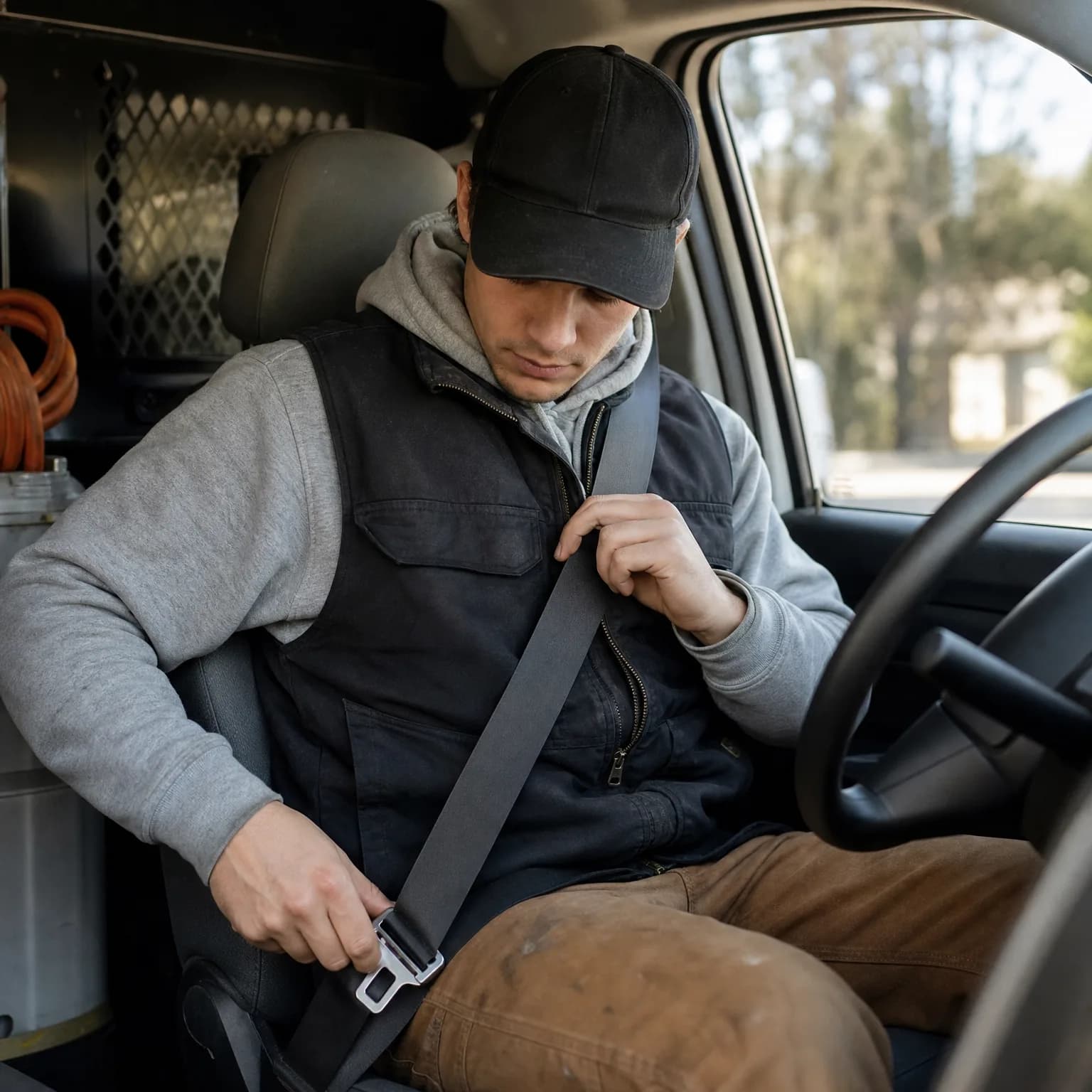


How to Get Non-Owner SR-22 in Connecticut
Start with a carrier that writes non-owner policies in Connecticut and handles SR-22 filings directly. Not all insurers offer non-owner coverage — it's a specialty product with lower volume than standard auto policies. Geico, Progressive, Dairyland, Bristol West, and The General all write non-owner SR-22 in Connecticut. Call or quote online, specify that you need SR-22 filing, and provide your suspension notice letter or DMV case number.
The carrier quotes a monthly premium based on your driving record, the violation that triggered the suspension, your age, and your zip code. Non-owner premiums are typically lower than standard auto insurance because the policy covers liability only and does not insure a specific vehicle. Expect $40 to $90 per month in Connecticut for a clean record with a first-offense OUI suspension. Rates climb to $120 to $200 per month for drivers with multiple violations or an at-fault accident during the suspension period.
Once you pay the first month's premium, the carrier files SR-22 electronically with Connecticut DMV. The filing takes 1 to 3 business days to appear in DMV's system. You receive a paper SR-22 certificate in the mail within 5 to 10 days — bring this certificate to your reinstatement appointment if DMV requires in-person processing. Do not let the policy lapse. Connecticut carriers report cancellations to DMV the same day, and your license suspends again automatically without additional notice.
$175
CT License Reinstatement Fee
Connecticut DMV charges a $175 base reinstatement fee after most suspensions. DUI-related suspensions may carry additional fees for ignition interlock device installation verification and alcohol education program completion. The fee is separate from SR-22 insurance costs.
Connecticut DMV fee schedule

What Happens If You Borrow Without Filing
Driving on a suspended license in Connecticut is a criminal offense. If stopped, you face arrest, vehicle impoundment, additional fines, and an extended suspension period. The car owner may also face penalties if they knowingly allowed a suspended driver to operate their vehicle. Connecticut General Statutes § 14-215 treats this as a separate violation from the underlying suspension cause.
Even if you avoid enforcement, failing to file SR-22 when DMV requires it means your reinstatement application is incomplete. You cannot schedule a reinstatement appointment, you cannot obtain a Special Operation Permit for essential driving, and your suspension period does not count down toward eligibility. The clock does not start until SR-22 is filed and active. Delaying the filing delays every downstream step in the reinstatement process.
Compare Non-Owner SR-22 Carriers Now
Connecticut's electronic insurance verification system cross-checks your license against active SR-22 filings in real time. The fastest path to reinstatement is filing with a carrier that processes SR-22 electronically the same day you bind coverage. Use the comparison tool below to quote non-owner SR-22 policies from Connecticut-licensed carriers, see monthly premiums side by side, and start your filing today. Your license reinstatement timeline begins the moment SR-22 hits DMV's system.
When Borrowing Requires Your Own Policy
First: you were convicted of operating under the influence, accumulated excessive points, or drove uninsured and received a suspension. Connecticut DMV issued a reinstatement requirement letter naming SR-22 as a condition of getting your license back. The requirement follows your driver record, not the cars you access. Even if you sell your vehicle or stop driving entirely during the suspension, the filing obligation remains until DMV releases it.
Second: you regularly borrow the same vehicle but are not listed as a driver on the owner's policy. Many insurers exclude coverage for regular users who are not named on the policy. If you borrow your partner's car three times per week to commute to work, you are a regular user. The owner's carrier may deny a claim after discovering this pattern, leaving you personally liable. Your non-owner policy closes that gap and satisfies Connecticut's proof-of-insurance requirement simultaneously.
Get Your Free Quote
Get My Connecticut SR-22 Auto Insurance QuoteFrequently Asked Questions
Does non-owner SR-22 cover the car I borrow?
No. Non-owner SR-22 covers you as a driver for liability only — damage you cause to others. It does not cover damage to the vehicle you're driving. The car owner's collision and comprehensive coverage handles that.
Can I use my friend's insurance instead of buying non-owner SR-22?
No. Connecticut DMV requires SR-22 filing under your name, tied to your driver's license. The car owner's policy cannot satisfy your personal SR-22 filing requirement even if their policy covers you as a permissive driver.
How long do I need to keep non-owner SR-22 in Connecticut?
Typically 3 years for DUI-related suspensions, measured from the conviction date. Connecticut DMV specifies the duration in your reinstatement notice. If you cancel the policy early, your license suspends again immediately.
What happens if my non-owner SR-22 policy lapses?
The carrier notifies Connecticut DMV electronically the same day. Your license suspends automatically without additional notice. You must file a new SR-22, pay a reinstatement fee, and restart the 3-year filing period in most cases.
Do I still need non-owner SR-22 if I don't drive often?
Yes. Connecticut's SR-22 requirement is not based on how often you drive. It is a condition of license reinstatement. You must maintain continuous coverage and active filing for the full period DMV specifies, regardless of driving frequency.
Can I get a non-owner SR-22 policy if I have a DUI?
Yes. Non-owner SR-22 is specifically designed for drivers with suspensions, including DUI convictions. Premiums are higher than for non-DUI suspensions, typically $120 to $200 per month in Connecticut, but coverage is available.